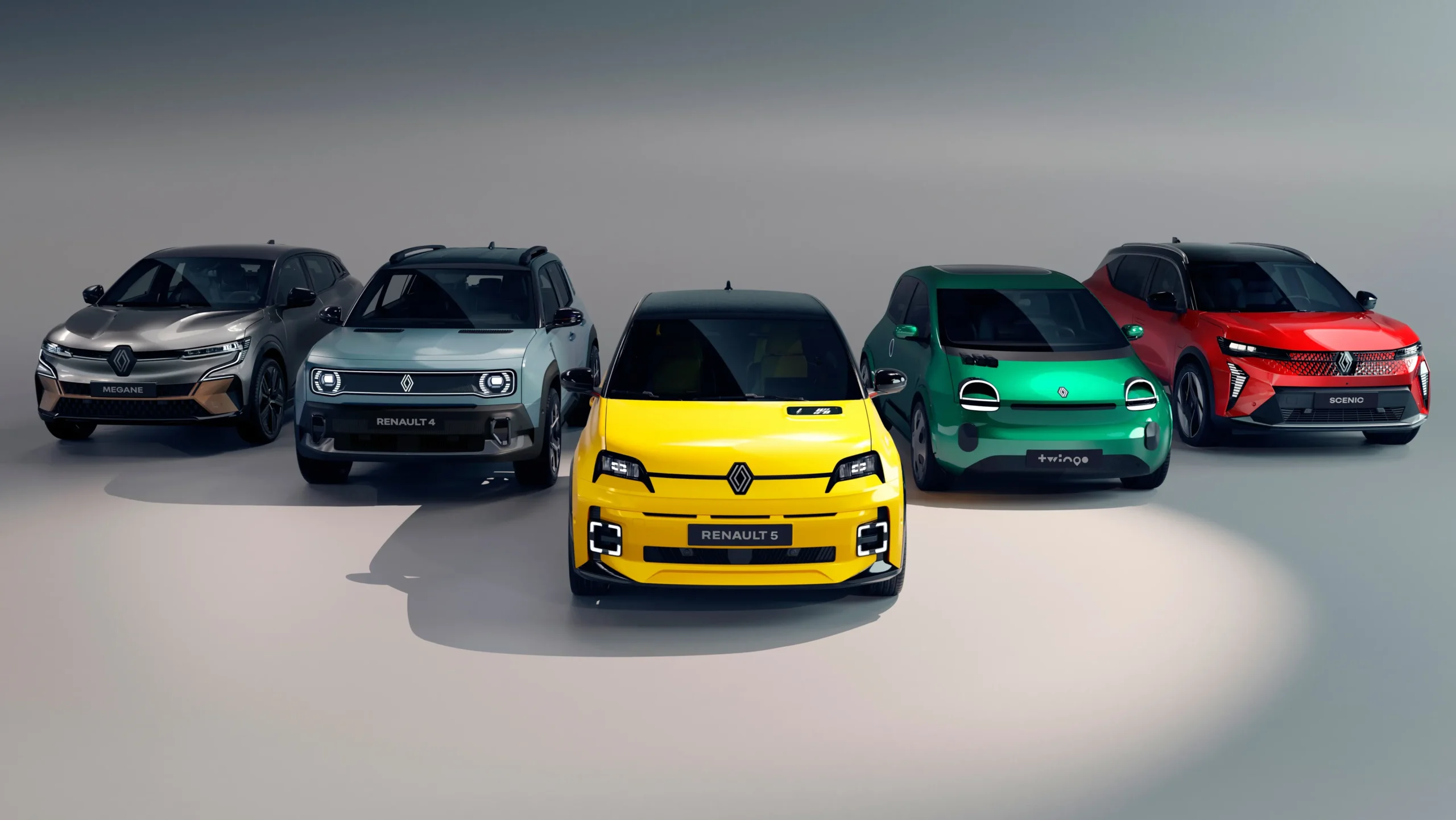
The global automotive industry has changed rapidly over the last decade. Companies are now focusing on electric vehicles, sustainable manufacturing, digital technology, and smart mobility solutions. Among the leading names in this transformation is Renault Group, a company known for innovation, affordability, and strong international presence.
Renault Group has become one of the most influential automobile manufacturers in Europe and continues expanding its reach across global markets. From compact city cars to advanced electric vehicles, the company has consistently adapted to changing customer demands and environmental regulations.
Today, Renault is not just a car manufacturer. It is a technology-driven automotive company investing heavily in electric mobility, software development, connected vehicles, and sustainable transportation systems. The company also collaborates with major automotive brands through strategic alliances that strengthen its position in the international market.
This article explores Renault Group’s history, business strategy, electric vehicle developments, global operations, partnerships, financial growth, sustainability goals, and future plans.
The History of Renault Group
Renault Group was founded in France in 1899 by Louis Renault and his brothers. From the beginning, the company focused on engineering innovation and vehicle performance. Renault quickly became one of the leading automotive companies in Europe.
During the early 20th century, Renault expanded production and developed vehicles for both civilian and military use. The company gained recognition for reliable engineering and advanced automotive technology.
Over time, Renault introduced many iconic models that became popular in Europe and other international markets. The company continued modernizing its production systems and investing in research and development.
Early Expansion and Growth
Renault experienced rapid growth during the mid-1900s. The company expanded manufacturing operations and increased exports to international markets.
Affordable pricing and practical vehicle designs helped Renault attract middle-class consumers. Its strong engineering reputation also contributed to long-term success.
Innovation in Automotive Engineering
Renault has always invested heavily in automotive innovation. The company developed advanced engine systems, improved safety technologies, and fuel-efficient vehicles long before sustainability became a global priority.
Its focus on research and development helped Renault compete with larger international automobile manufacturers.
Global Brand Recognition
Today, Renault vehicles are sold in many countries around the world. The company’s strong international presence allows it to compete in both developed and emerging automotive markets.
Renault’s recognizable logo and long history continue strengthening customer trust globally.
Renault Group’s Business Structure
Modern Renault Group operates through several automotive brands and business divisions. This diversified structure helps the company serve different customer segments and market needs.
Renault Brand
The main Renault brand focuses on passenger vehicles, electric cars, SUVs, and commercial vehicles. It is especially popular in Europe because of affordability and fuel efficiency.
Dacia
Dacia operates under Renault Group and is known for budget-friendly vehicles. Dacia has become extremely successful in Europe due to its low-cost yet reliable models.
Many customers choose Dacia vehicles because they offer practical features at competitive prices.
Alpine
Alpine is Renault Group’s performance and sports car division. The brand focuses on sporty designs, racing heritage, and high-performance engineering.
Alpine also supports Renault’s motorsport activities and Formula One involvement.
Mobilize
Mobilize is Renault Group’s mobility and technology division. It focuses on transportation services, digital mobility, vehicle sharing, and future urban transportation solutions.
This division reflects Renault’s strategy to move beyond traditional car manufacturing.
Renault Group and Electric Vehicles
Electric mobility has become one of Renault Group’s most important business priorities. The company is heavily investing in electric vehicle production, battery technology, and sustainable transportation systems.
Early Leadership in EV Technology
Renault was one of the first major automotive companies to invest aggressively in electric vehicles. The company introduced electric models before many competitors entered the EV market.
This early investment helped Renault gain valuable experience in battery systems and EV engineering.
Popular Electric Models
Renault has launched several successful electric vehicles, including compact city cars and family-friendly EVs.
These vehicles are designed to provide lower emissions, reduced fuel costs, and environmentally friendly transportation solutions.
Battery Innovation
Battery performance is critical for electric vehicles. Renault Group continues researching better battery efficiency, faster charging systems, and longer driving ranges.
Improved battery technology helps increase consumer confidence in electric transportation.
Sustainability Goals
Renault aims to reduce carbon emissions and increase sustainable manufacturing practices. Electric vehicles play a major role in achieving these environmental goals.
Governments around the world are also supporting EV adoption through incentives and regulations.
Renault Group’s Global Presence
Renault Group operates in many countries and continues expanding internationally.
Its global business strategy focuses on adapting vehicles to regional customer preferences and market conditions.
Strong European Market Position
Europe remains Renault’s largest market. The company performs particularly well in France and neighboring European countries.
Affordable pricing and fuel-efficient vehicles help Renault maintain strong sales performance.
Expansion into Emerging Markets
Renault has also expanded into Asia, South America, the Middle East, and Africa.
Emerging markets provide long-term growth opportunities because of increasing vehicle demand and rising middle-class populations.
Manufacturing Facilities Worldwide
Renault operates production plants and assembly facilities across multiple countries.
Global manufacturing helps reduce costs and improve supply chain efficiency.
International Partnerships
Renault works with international suppliers, technology companies, and automotive partners to improve competitiveness and innovation.
Strategic partnerships strengthen global market reach.
The Renault-Nissan-Mitsubishi Alliance
One of Renault Group’s most important business strategies is its automotive alliance with Nissan and Mitsubishi.
This partnership allows companies to share technology, production systems, and research costs.
Shared Technology Development
Alliance members collaborate on electric vehicles, software systems, engine development, and autonomous driving technology.
Shared research reduces development expenses and speeds up innovation.
Cost Efficiency
The alliance helps reduce manufacturing and operational costs through shared vehicle platforms and supply chains.
Lower production costs improve profitability and pricing competitiveness.
Global Market Reach
The alliance expands access to international markets.
Each company benefits from the others’ regional strengths and customer bases.
Future Mobility Projects
The partnership also supports future transportation technologies, including connected vehicles, artificial intelligence systems, and smart mobility platforms.
These innovations may shape the future automotive industry.
Renault Group’s Focus on Innovation
Innovation remains central to Renault Group’s long-term strategy.
The company continues investing in digital technology, software systems, and connected transportation.
Connected Vehicles
Modern Renault vehicles include connected technologies that improve navigation, entertainment, safety, and vehicle monitoring.
Drivers now expect smart digital experiences inside vehicles.
Autonomous Driving Research
Renault is researching autonomous driving systems designed to improve road safety and convenience.
Although fully self-driving vehicles are still developing, Renault continues preparing for future adoption.
Artificial Intelligence Integration
AI technologies are helping improve vehicle performance, predictive maintenance, customer support, and production efficiency.
Artificial intelligence is becoming increasingly important in the automotive sector.
Software-Driven Vehicles
Modern cars rely heavily on software systems.
Renault is investing in digital platforms that allow vehicles to receive updates and advanced connectivity features.
Sustainability and Environmental Responsibility
Environmental sustainability has become a major priority for automotive manufacturers worldwide.
Renault Group is working toward reducing emissions and improving eco-friendly production systems.
Carbon Reduction Targets
The company aims to lower greenhouse gas emissions across manufacturing operations and vehicle usage.
Electric vehicle expansion supports these environmental goals.
Recycling and Circular Economy
Renault promotes recycling initiatives and sustainable material usage in vehicle production.
The company is also exploring ways to reuse EV batteries efficiently.
Energy-Efficient Manufacturing
Production facilities are adopting cleaner energy sources and energy-saving technologies.
These changes help reduce environmental impact.
Sustainable Urban Mobility
Renault believes future transportation systems must become cleaner, smarter, and more efficient.
Urban mobility projects are an important part of the company’s sustainability vision.
Renault Group’s Financial Performance
Financial stability is essential in the competitive automotive industry.
Renault Group has faced both challenges and opportunities during changing global market conditions.
Revenue Growth
Vehicle sales, electric mobility, and international expansion contribute significantly to Renault’s revenue.
Strong product demand supports long-term business growth.
Industry Challenges
Like other automotive companies, Renault faces supply chain disruptions, rising production costs, and global economic uncertainty.
Competition in electric vehicles is also increasing rapidly.
Investment in Future Technology
Despite challenges, Renault continues investing heavily in future mobility technologies.
These investments aim to secure long-term competitiveness.
Stock Market and Investor Interest
Investors closely monitor Renault’s electric vehicle strategy, global partnerships, and financial performance.
Innovation often influences investor confidence.
Popular Renault Vehicles
Renault offers a wide range of vehicles designed for different customer needs and budgets.
Renault Clio
The Renault Clio is one of Europe’s best-selling compact cars.
Customers appreciate its fuel efficiency, stylish design, and affordability.
Renault Megane
The Megane combines comfort, technology, and performance.
It is popular among families and professionals.
Renault Captur
The Captur is a compact SUV designed for urban driving and practicality.
Its modern styling attracts younger buyers.
Renault Zoe
The Zoe became one of Europe’s most recognized electric vehicles.
It helped strengthen Renault’s position in the EV market.
Challenges Facing Renault Group
The automotive industry is highly competitive and constantly evolving.
Renault Group must continue adapting to industry changes and customer expectations.
Growing EV Competition
Many global automakers are aggressively entering the electric vehicle market.
Competition increases pressure on pricing and innovation.
Supply Chain Problems
Global shortages of semiconductors and raw materials have affected vehicle production worldwide.
Managing supply chains remains a major challenge.
Economic Uncertainty
Inflation, changing interest rates, and economic slowdowns can impact vehicle sales.
Automotive companies must carefully manage costs during uncertain periods.
Rapid Technological Change
Technology evolves quickly, requiring continuous investment in software, AI, and digital systems.
Companies that fail to innovate risk losing market share.
The Future of Renault Group
Renault Group continues positioning itself for long-term growth through innovation and sustainability.
The company’s future strategy focuses heavily on electric mobility and digital transformation.
Expansion of Electric Vehicles
Renault plans to introduce more electric models across different market segments.
Affordable EVs may help increase global adoption.
Smart Mobility Services
Transportation services such as car sharing and connected mobility platforms are expected to grow.
Renault aims to become a broader mobility company rather than only a car manufacturer.
Advanced Software Platforms
Software-driven vehicles will likely become more common in future automotive markets.
Renault continues developing connected technologies and AI integration.
Sustainable Manufacturing
Environmental regulations will continue shaping automotive production.
Renault’s sustainability efforts may become a major competitive advantage.
Conclusion
Renault Group has transformed from a traditional automobile manufacturer into a modern mobility and technology company. Its strong focus on electric vehicles, sustainability, digital innovation, and global partnerships continues shaping its future in the rapidly evolving automotive industry.
The company’s early investment in electric mobility helped establish Renault as one of the leading EV pioneers in Europe. Through strategic alliances, advanced research, and expanding global operations, Renault continues strengthening its position in the international automotive market.
As transportation technology evolves, Renault Group’s commitment to innovation and sustainability may play a major role in defining the future of mobility worldwide.
Frequently Asked Questions (FAQs)
1. What is Renault Group known for?
Renault Group is known for automobile manufacturing, electric vehicles, innovation, affordability, and global automotive partnerships.
2. Is Renault Group a global company?
Yes, Renault operates in many countries worldwide and has manufacturing facilities across several regions.
3. What electric vehicles does Renault produce?
Renault produces several electric vehicles, including popular compact EV models designed for urban transportation.
4. What is the Renault-Nissan-Mitsubishi Alliance?
It is a strategic partnership between Renault, Nissan, and Mitsubishi focused on shared technology and automotive development.
5. Is Renault investing in sustainable transportation?
Yes, Renault is heavily investing in electric vehicles, recycling initiatives, and sustainable manufacturing systems.
6. What is Mobilize by Renault?
Mobilize is Renault Group’s mobility division focused on transportation services and digital mobility solutions.
7. Which Renault vehicle is most popular?
Popular Renault vehicles include the Clio, Captur, Megane, and Zoe.
8. Does Renault manufacture sports cars?
Yes, Alpine, Renault Group’s performance division, produces sports and racing-focused vehicles.
9. What challenges does Renault Group face?
The company faces EV competition, supply chain disruptions, rising production costs, and rapid technological changes.
10. What is Renault Group’s future strategy?
Renault plans to focus on electric mobility, software-driven vehicles, smart transportation, and sustainability initiatives.